With the spotlight focused firmly on England after a historic win at the Euros 2025 final this week, have you ever considered what it might be like to play international football with hearing loss?
Any level of hearing loss can significantly affect women footballers, both on and off the pitch. In a sport where communication is critical – whether it’s a goalkeeper directing defenders or a midfielder responding to tactical instructions – impaired hearing can make real-time interaction more difficult.
Players may miss verbal cues, team calls or referee commands, leading to potential safety risks or tactical disadvantages. Off the field, meetings, media interactions, and social connections can become mentally exhausting as players must rely on hearing devices, sign assistance or lip-reading to keep up with fast-paced conversations.
Despite these challenges, many woman footballers with hearing loss are thriving at elite levels, showing incredible adaptability and resilience. In this article, we explore how athletes like Rylee Foster, Mackenzie Arnold, Kate Bowers, and Eunate Arraiza demonstrate that with the right support systems – such as hearing aids, visual communication strategies, or inclusive coaching – they can compete and lead with confidence.
These stories highlight not just the obstacles faced but also the strength gained through adversity, breaking down stigma and paving the way for greater inclusion and awareness in the sport.
Rylee Foster is a professional goalkeeper who represented Liverpool Women and Canada at youth level and has lived most of her life with hearing impairment that is rooted in genetics; her mother and sisters are also affected. Foster first tested positive for hearing loss around age six or seven and began wearing hearing instruments.
Early in her career, she avoided using her devices on the field because they weren’t sweat proof. But off the pitch, especially in classrooms, meetings, tactical sessions and social conversations, hearing instruments dramatically reduced cognitive strain and improved her engagement.
Following a near-fatal car accident, Foster began using hearing aids more consistently and credits them as crucial to her recovery – reducing fatigue and enabling her to focus fully in rehabilitation sessions and mental health recovery.

Today, Foster views her hearing loss not as a limit but as a unique strength – something she owns proudly and uses to inspire others.
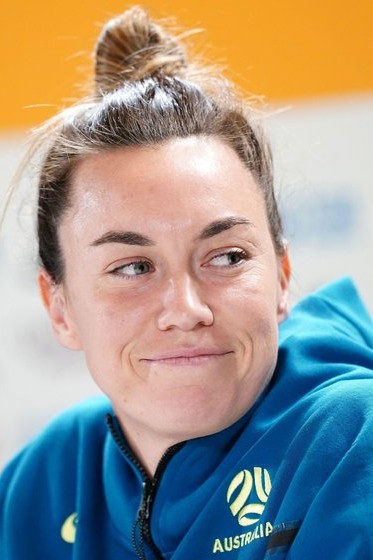
Mackenzie Arnold is Australia’s standout goalkeeper, was diagnosed with hearing loss in 2023 and chose to begin wearing discreet, Bluetooth-enabled hearing instruments off the field.
Arnold has described how wearing her hearing devices made a profound difference in social confidence, awareness, and concentration. She notices she feels “more alert and connected”
with her hearing aids in and noticed ambient sounds like keys rattling or rain – sounds she had never heard fully before.
Though she doesn’t wear them during matches, Arnold trains with her devices in occasionally to acclimatize, and expects they may become part of her match routine soon.
Arnold’s openness – partnering with a hearing clinic and speaking publicly about her experiences – has helped break down stigma and offered inspiration to young athletes facing similar challenges.
Kate Bowers is a striker for Chesham United in the FA Women’s National League and experienced sudden hearing loss triggered by an ear infection in 2020. Her hearing now continues to decline and is unlikely to recover.
The shock of sudden deafness feels like “my head is underwater, everything muffled and distant.” Bowers was advised to use hearing instruments but chose not to in matches – especially when representing England’s deaf squad in international Deaf Football World Championships.
Because hearing devices are disallowed in Deaf World Championship play, even while in changing rooms, Bowers instead relies on lip-reading, visual cues and adaptive communication during team instructions. Her club provides support by delivering guidance through demonstration and peer instruction.
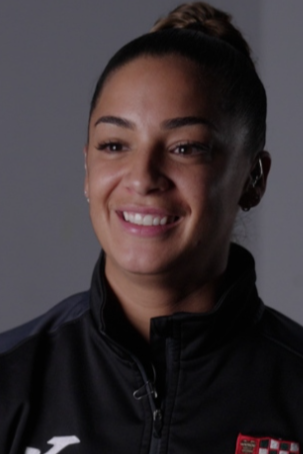
Bowers is now vice-captain of England’s Deaf World Championship team and played in Kuala Lumpur in June 2025, scoring multiple goals in the tournament and proving that inclusivity in football can empower players regardless of hearing ability.
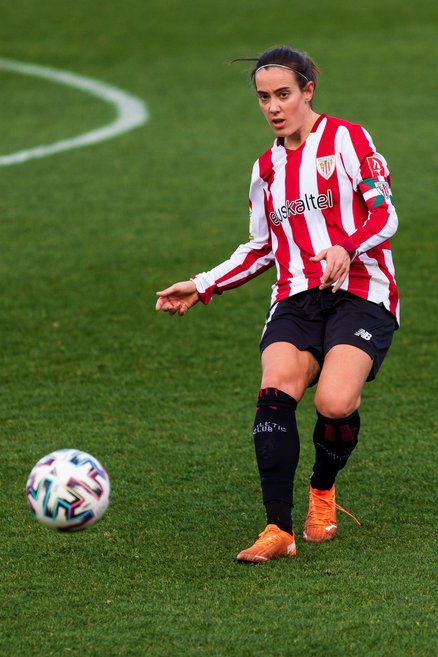
Eunate Arraiza is Spain’s only deaf professional female footballer, born with profound bilateral hypoacusis. She received cochlear implants as a child and has gone on to enjoy a distinguished career that includes contracts with Athletic Club, Basque Country and the Spanish national team.
Arraiza emphasises she must put in ‘three times the effort’, not just in training and studies, but to follow verbal cues from teammates and coaches, particularly when communication comes from behind or at speed.
Despite challenges, she has earned domestic titles including the 2015-16 Spanish women’s league, Championships League appearances and caps for Spain. UEFA and the Spanish media recognise her as a powerful example of perseverance and inclusion in sport thank to her advocacy for others with disabilities to pursue their passions.
There are key elements for success highlighted by these players, which should be incorporated into every element of football:
- Communication is essential: hearing devices can help bridge any gap in understanding, but lip-reading and visual awareness remain vital and all players need to be aware of the need for clear communication strategies across the team.
- Make space to cope with mental fatigue: constant lip-reading or straining to understand speech drains energy, making time to recharge and the use of devices helpful beyond just amplifying sound.
- Visibility matters: Athletes like Arnold, Arraiza, Bowers and Foster leverage their elevated platforms to help challenge the stigma around hearing loss and support accessibility.
- Adaptability and inclusion: Teams and leagues must continue to step up to create inclusive environments where hearing-impaired players can excel – like the FA supporting deaf women’s squads in the UK.
Paul Surridge, BIHIMA Chairman, said: “We know that living with any level of hearing loss can present daily challenges for people to communicate, so to see how these players cope by overcoming these issues as professional football players is truly inspiring.”