UK rail's first permanent Auracast installation is a major development for passenger experience. For audiologists and dispensers, it's also a signal that the growing availability of broadcast audio is reshaping everyday listening for hearing instrument users.
A familiar challenge – hearing in noisy environments
Hearing device users know the complaint: public transport stations, terminals and echoing public halls can be some of the hardest listening environments to experience. Poor acoustics and background noise conspire against speech clarity, and for the 18 million people in the UK who are deaf or have hearing loss, the risk of missing an announcement is significant.
New technology at Brighton train station is a ‘game changer’
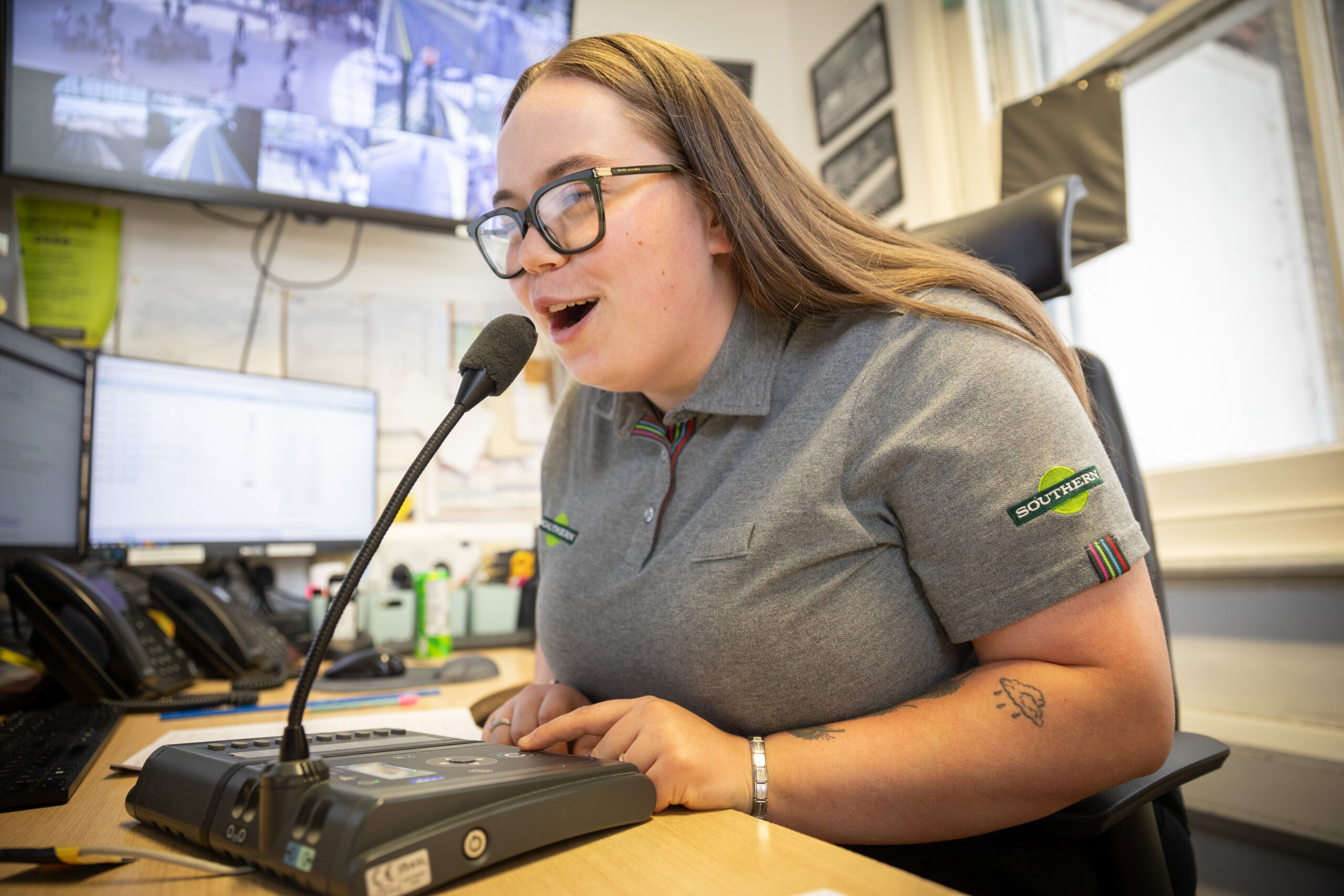
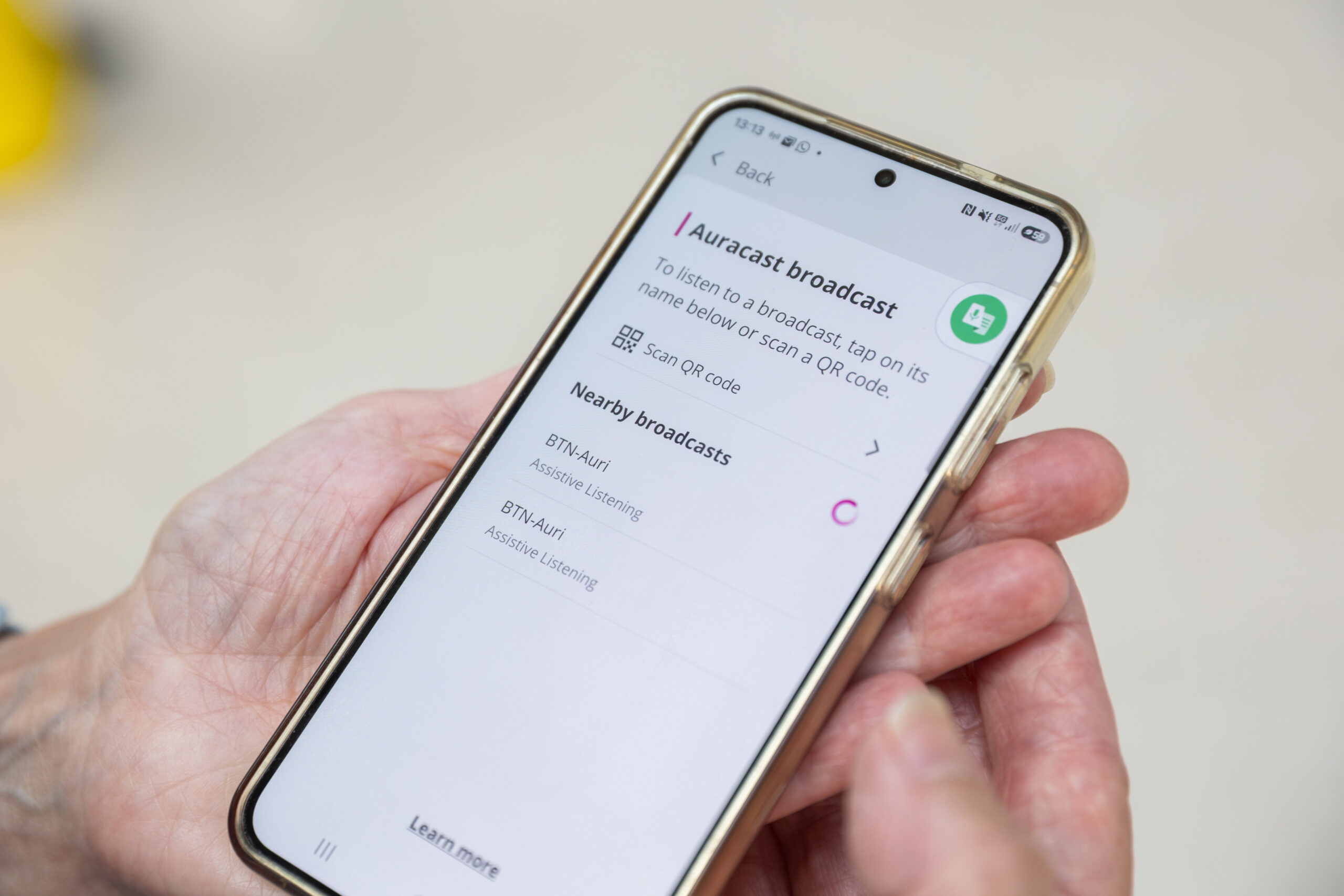
Southern, Thameslink and Gatwick Express have permanently fitted Auracast technology at Brighton station — the first permanent installation of its kind on the UK rail network. The system uses Bluetooth LE Audio to broadcast station announcements from the public address system directly to compatible hearing aids, earbuds and headphones, in what the operators describe as crystal-clear audio. Crucially, there’s no pairing required: compatible devices simply pick up the broadcast.
The technology was manufactured and installed by Ampetronic Listen Technologies as part of its Auri system and had previously been trialled at Bristol Temple Meads before Brighton’s permanent rollout.
Jenny Sarling, who is a hearing aid user and leads Brighton & Hove Hearing Loss, said:
“Without Auracast, I can go to a platform and suddenly hear a muffled announcement, see everyone run off and be left standing there not knowing what’s happened. Now announcements such as platform changes go direct into my ears.
“As a person with severe hearing loss, it’s a complete game-changer – a life-changer in fact. I’m aware that people can use it with earbuds or headphones as well, but for those of us with hearing loss, it’s the difference between feeling isolated on the station, worried about your journey, and being able to relax knowing that if anything changes you will hear it.”

How Auracast works
Auracast is a broadcast audio standard built on Bluetooth LE Audio: rather than pairing one device to one source, it lets an unlimited number of compatible receivers pick up a single audio stream — much like tuning a radio, but digital.
It’s worth comparing Auracast with a traditional system most hearing instrument users already know well: the induction hearing loop. Loops rely on a telecoil and a physical cable loop; they’re near-universal in UK public buildings but prone to spill-over and carry only one audio source.
Auracast, by contrast, needs no telecoil, can carry multiple discrete streams, and works with mainstream earbuds and hearing aids with Bluetooth built in, and its availability is growing.
Brighton station retains its induction loop system, providing accessibility for those not yet using Auracast.
Brighton is setting the standard
Southern, Thameslink and Gatwick Express describe Brighton as a permanent pilot, hoping strong passenger take-up will secure funding for a wider roll-out across the network.

Carl Martin, Accessibility Lead, Southern, Thameslink and Gatwick Express said: “This technology will have a huge impact, overcoming the difficulty of hearing announcements in our beautiful but acoustically challenging station at Brighton. As people upgrade their devices, more will steadily find they have access to crystal clear announcements. And the way it is used in public spaces will also steadily evolve, making it even easier to use.”
RNID’s Technology Lead, Alastair Moore, frames the installation as part of a broader ambition: “For the 18 million people in the UK who are deaf or have hearing loss, announcements can remain a major barrier. Places like train stations often have high levels of reverberation and background noise making important information hard to understand.
“We hope this will encourage more places across public transport, education, healthcare, performing arts and places of worship, to adopt Auracast and help make public spaces accessible for deaf people and people with hearing loss.”
What this means for the sector
Brighton is a small, single-site installation, but it’s a useful marker of direction: Bluetooth LE Audio and Auracast are moving into everyday public infrastructure. For hearing care professionals, the question is no longer whether to know about Auracast, but how soon to factor compatibility into fitting decisions.
Paul Surridge, Chair of the British and Irish Hearing Instrument Manufacturers Association, said: “This is an important time for audiologists and dispensers, who often need to discuss connectivity with patients and clients to improve how they use assistive listening systems. Staying up to date with new technology is a growing part of our role, and Auracast is certainly one to watch.
“As the roll out of Auracast systems along with the availability of Bluetooth enabled hearing devices continues, we expect a significant improvement in the experience of many people with hearing loss.”