Current images of hearing instruments in the public domain perpetuate the stigma that hearing aids are unattractive, bulky and embarrassing to wear. What can be done to change that?
Have you ever searched for an image to use of a hearing instrument only to find decade-old photographs of beige, chunky and unattractive hearing aids, seemingly only worn by the older generation? Or shared an article about hearing loss and/or hearing technology where the publication’s feature image is wildly out of date?
Here at BIHIMA, we experience this on a daily basis. From searching for the right images to use for blogs on our website to sharing content on social media, we regularly trawl through page after page of bulky, outdated hearing aids and unrepresentative models that perpetuate the stigma that hearing loss is an older person’s issue, and hearing instruments are boxy.
So, what’s the big deal? Why does this need to change? Read on to find out.
Why are media platforms not using modern images of hearing instruments and younger people?
 There are countless images available in the public domain of outdated hearing instruments and there are a few different reasons for this.
Firstly, it’s incredibly hard to find appropriate, modern images of hearing devices. All you need to do is search ‘hearing aid’ on Google or on a stock image website and you’ll receive pictures that contribute to the widely held perception that hearing instruments are ugly and for older people. Sadly, if those working on media picture desks have never encountered someone wearing a modern hearing instrument, they may not know why these old images are inaccurate.
“Research has shown that the main reasons people don’t wear hearing instruments are that they don’t believe their hearing loss is severe enough to warrant the use of a hearing device, or they think hearing devices don’t work effectively, are embarrassing to wear, won’t restore their hearing back to normal or are uncomfortable. We’re working to change these perceptions, but the media has an enormous role to play too,” said Paul Surridge, BIHIMA Chairman.
In addition, public awareness is still lacking in comparison to that of conditions such as sight loss so people don’t necessarily know what they’re seeing is a problem. Unless you are immersed in this world, you may miss the fact that hearing technology has developed at a startling rate and that hearing instruments are now barely visible.
Manufacturers are doing an admirable job on this front; both from the continued advances in products, technology and marketing around their products. You can see from the manufacturer images used in this blog that there are excellent images out there showing how hearing instruments really look in 2024: the problem is that these branded images cannot be used as readily as royalty free stock images. Unless media sources have connections with these pioneering manufacturers, they’ve got a tough job of finding images that don’t fuel the negative narrative around the appearance of hearing instruments.
Outdated images of hearing instruments feed the stigma
According to EuroTrak data, 48% of respondents said that they did not want to wear a hearing aid because they didn’t admit to others that they had hearing loss and 62% said that they felt hearing instruments had a bad design. In addition, 64% of users felt that people made fun of them due to wearing a hearing aid.
Clearly, the stigma around hearing instruments still exists – something that an overwhelming 97% of hearing care professionals felt to be the case in a recent survey of audiologists carried out by BIHIMA.
One respondent said: “There needs to be more education that hearing loss can affect anyone, as well as an understanding of how hearing aids have been elevated to the technological marvels that they are. Alongside this we can reinforce the positives of hearing aid use and strive to stop the press using old images of old nasty amplifiers, using up to date models instead.”
Another respondent said: “It is vital that we use more modern hearing aids in advertisements. This will show how modern hearing aids can be, as well as the latest features and benefits of them being highlighted better.”
One added: “Can we get younger people in the public eye being open about their hearing loss and hearing aids? They could show hearing aids being sexier in design, both in their appearance and connectivity.”
The consensus is clear – innovative technology around hearing instruments does exist, but many don’t know about it.
What can we do to help?
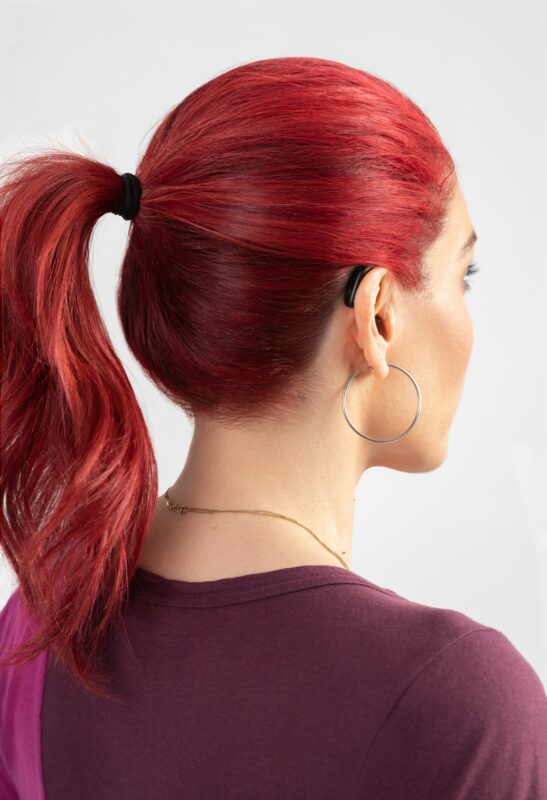 BIHIMA is working alongside the cutting-edge manufacturers that we represent to create a bank of images showcasing the reality of hearing instruments in 2024 and we were pleased to see BIHIMA member GN launching its own stigma-busting image bank recently.
You can help too – if you happen to see old images of hearing instruments being used in the public domain, you can contact the source personally and ask them to replace the image for something more appropriate. From sleek design to AI functionality, Bluetooth advancements and assisted technology, there has been a magnitude of growth in hearing instruments. Our hope is that by working together to challenge this outdated stigma, we can see people with hearing loss fairly represented in the media and in society.